
Modern Garden Office Pods for Outdoor Workspaces and Relaxation
Blog
Modern garden office pods can turn underused outdoor space into a dedicated place for focused work, video calls, creative projects, reading, or relaxation. The best option is not necessarily the most striking design—it is the one that fits its primary purpose, local climate, available yard space, and complete project budget.
Before selecting a backyard office pod, look beyond the exterior finish. Check the building envelope, insulation, glazing, ventilation, heating and cooling, acoustic privacy, power, internet, foundation, delivery access, and local approval requirements. You should also confirm what the quotation includes and who is responsible for installation and after-sales support.
A well-planned pod should feel comfortable throughout the working day while remaining flexible enough to support quieter activities after work.
What Is a Garden Office Pod and Who Is It For?
A garden office pod is a compact, standalone room installed in a garden or backyard. It provides an enclosed space for work, creative activities, meetings, or relaxation away from the main building.
-
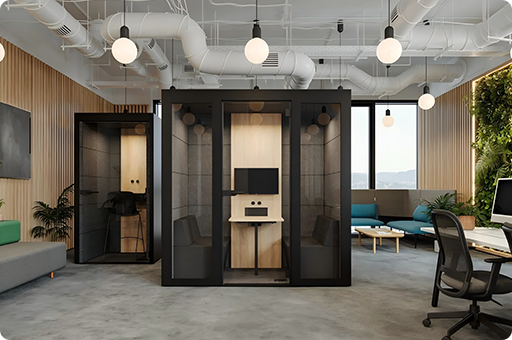
Garden Office Pod vs. Garden Shed
A garden shed is primarily designed for storage, while an office pod is designed for people. Its specification should address a weather-resistant exterior, an insulated envelope, glazing, lighting, ventilation, temperature control, and safe electrical use. A shed conversion may work, but compare the cost of insulation, interior finishing, utilities, windows, and climate control.
-
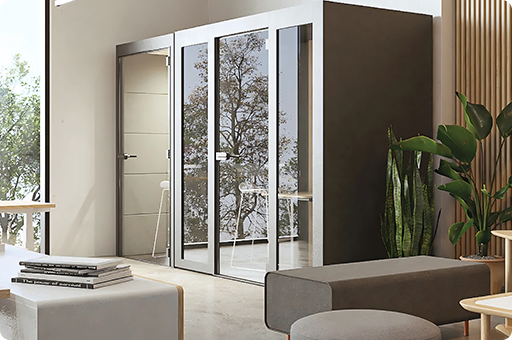
Garden vs. Indoor Office Pod
An indoor office pod operates within a protected building. Outdoor placement adds requirements for drainage, foundations, exterior durability, insulation, temperature changes, and weather-protected electrical connections. An indoor office pod should not be placed outside unless its manufacturer confirms the complete model is suitable for that environment.
-
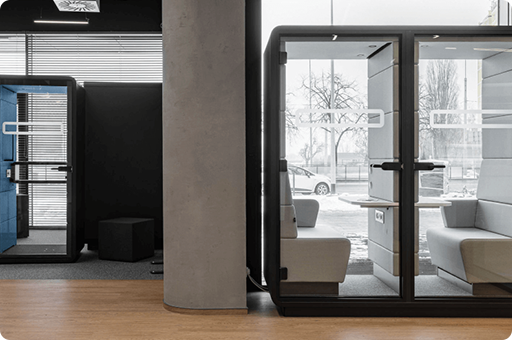
Who Can Benefit?
A garden office pod may suit remote workers, designers, writers, and homeowners seeking a reading or relaxation room. Outdoor-rated pods can also support suitable campuses, hospitality grounds, educational sites, and wellness spaces, subject to accessibility, occupancy, maintenance, and local requirements.
From Focused Work to Relaxation: How One Office Pod Can Serve Multiple Uses
With suitable furniture, lighting, storage, and climate control, the same garden office pod can support productive work during the day and quieter personal activities afterward.
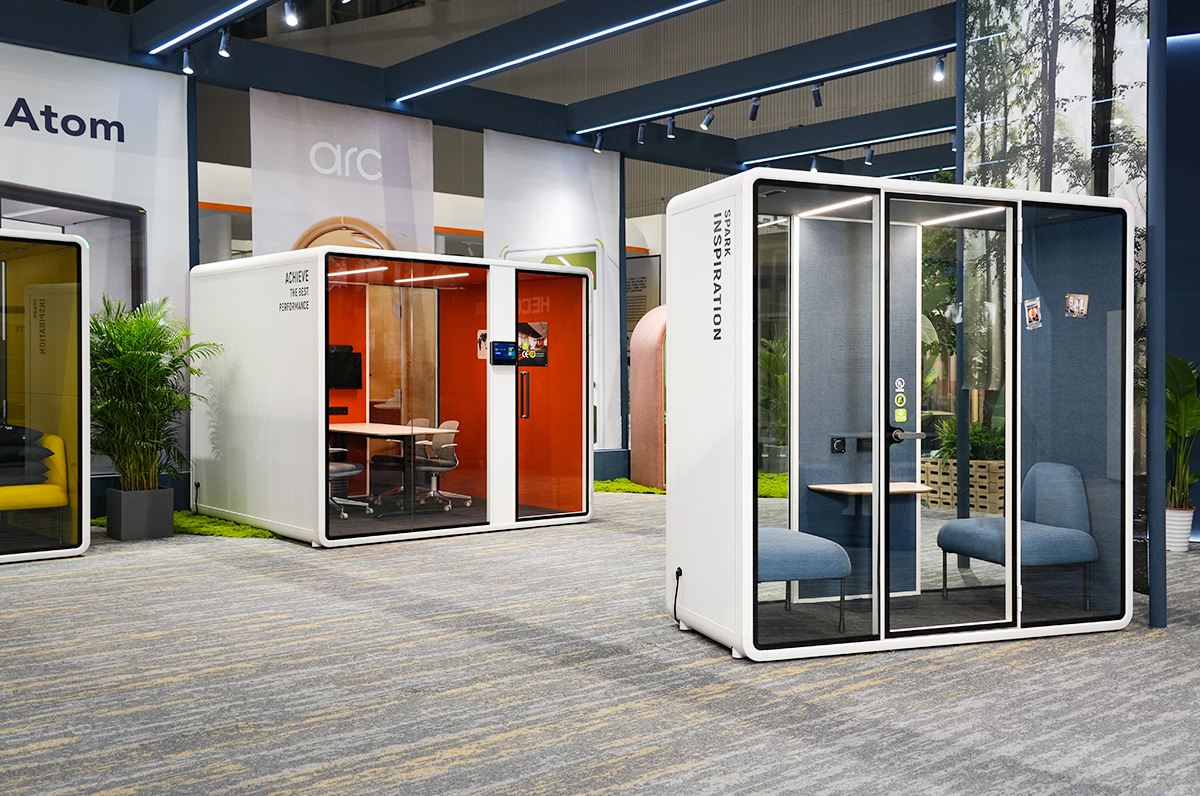
Focused Work and Video Calls
A separate backyard workspace creates distance from household interruptions. A practical setup includes a desk, ergonomic chair, task lighting, power, and reliable internet for work, online meetings, and private calls. The short walk from the house can also create a clearer boundary between working hours and personal time. For indoor projects, a compact single-person office pod can support similar focus and call needs within a protected building.
Creative Work and Personal Relaxation
Writers, designers, artists, and consultants can arrange the pod as a studio with accessible storage and adaptable work surfaces. After work, flexible furniture and softer lighting can support reading, meditation, hobbies, or quiet reflection. Plan secondary uses around the main activity so additional seating or equipment does not reduce circulation or comfort.
Commercial and Public Outdoor Spaces
Where an outdoor-rated structure is appropriate, pods may provide workstations, consultation rooms, quiet student spaces, studios, or guest relaxation areas. Potential locations include corporate campuses, schools, hotels, resorts, and wellness settings. Commercial buyers should assess accessibility, occupancy, security, maintenance, utilities, and site-specific regulations.
What Makes a Garden Office Pod Comfortable Year-Round?
A garden office pod supports daily use only if it stays dry, comfortable, and practical across changing seasons. Before comparing finishes, review how the structure handles your climate and required services.
Weather Protection and an Insulated Envelope
Review the complete building envelope: roof, walls, floor, doors, windows, seals, and connection points. Ask how the pod manages rain, wind-driven water, ground moisture, drainage, and condensation—not simply whether it is called "weatherproof." Insulation and air sealing should cover the walls, roof, and floor, while glazing should suit the climate, orientation, and direct sun. A level, correctly prepared base also protects the structure and helps doors and windows operate properly.
Heating, Cooling, Ventilation, and Acoustic Comfort
Insulation slows heat transfer but does not replace climate control. The appropriate system depends on pod size, glazing, occupancy, shade, and regional weather. Ventilation is equally important because people, equipment, and humidity can quickly affect a compact room. Check how fresh air is supplied and condensation controlled. If privacy matters, request measured acoustic data and confirm whether ratings apply to individual panels or the complete installed pod.
Power, Lighting, Connectivity, and Security
Plan for outlets, task and ambient lighting, reliable internet, and safe electrical and data routes. Determine what is factory-installed, what requires an electrician, and whether trenching or home electrical upgrades are needed. For equipment left overnight, review door and window locks, exterior lighting, and compatible alarm or camera provisions.
If the pod will be used for frequent video calls, test Wi-Fi strength at the planned location before deciding whether a mesh node, wired Ethernet run, or separate connection is required.
Comfort is a system, not a single feature. Compare documented specifications and installation requirements for your location.
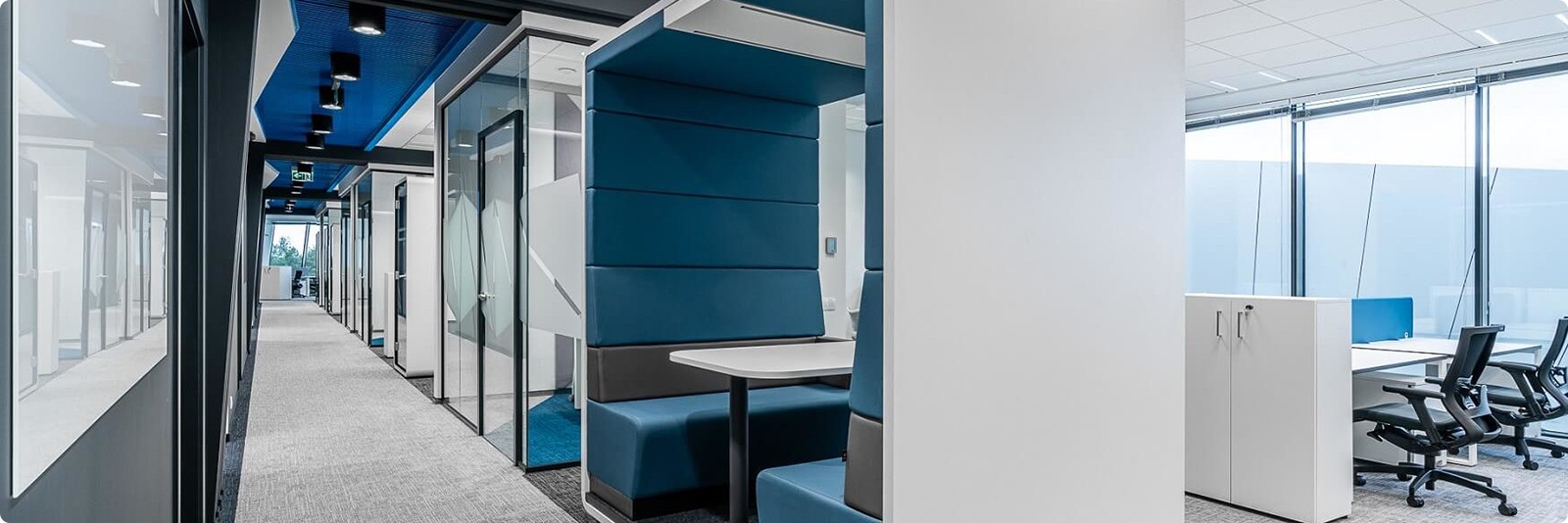
Plan the Right Size, Layout, and Backyard Location
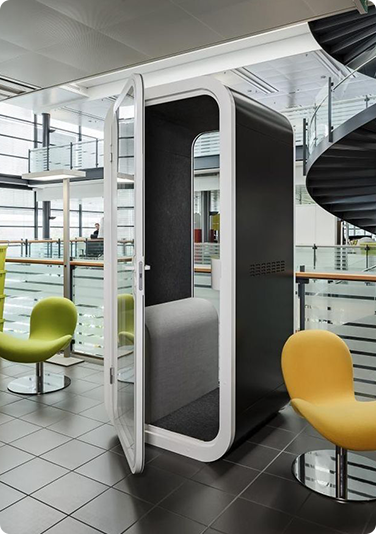
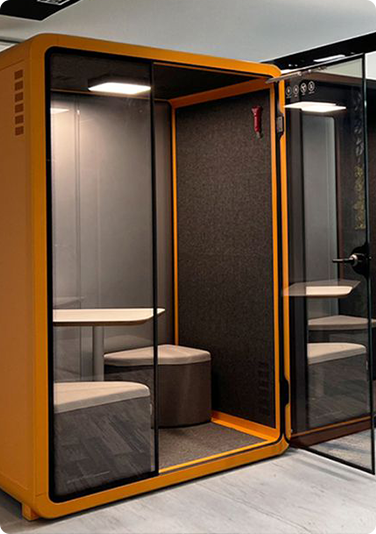
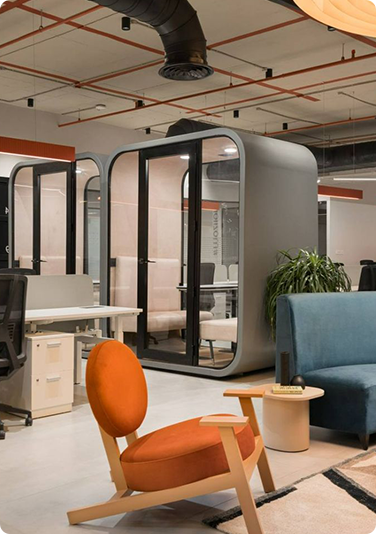
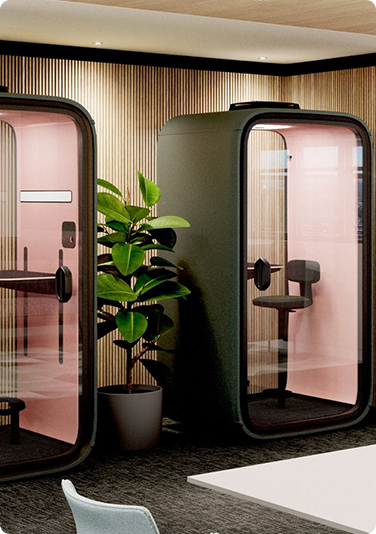
The right pod must fit its users and the site. Choosing dimensions from an exterior photo can cause cramped circulation, difficult delivery, or unexpected site work.
Choose the Interior Around Its Primary Use
A one-person office needs room for a desk, chair, storage, and movement. A shared workspace also needs clear circulation and conversational distance. Map furniture at actual dimensions and check usable internal area, not only the exterior footprint. If relaxation is a secondary use, allow space for a lounge chair or yoga mat without blocking the entrance.
Position Windows, Doors, and Furniture Together
Plan the desk, screens, glazing, and door swing as one layout. Natural light can make a pod feel larger, but direct sun may cause glare and unwanted heat gain. Consider orientation, trees, seasonal shade, views, and privacy from neighboring properties. Keep storage accessible and ventilation openings clear. For commercial settings, confirm applicable accessibility and occupancy requirements.
Evaluate the Backyard Before Selecting a Pod
Measure the location, boundaries, gates, slopes, and access route. Confirm that installation equipment or prefabricated sections can reach the site. Review drainage, soil, foundation requirements, trees, overhead clearance, utility easements, and routes for power and internet. Have buried utilities marked before excavation. Local rules may regulate setbacks, height, lot coverage, electrical work, and use even when a small structure does not require a building permit.
Also consider the daily path from the house, including lighting, wet-weather access, and winter maintenance.
Share a basic site plan with the supplier before finalizing the model, delivery method, and installation quote.
How to Compare Garden Office Pod Options
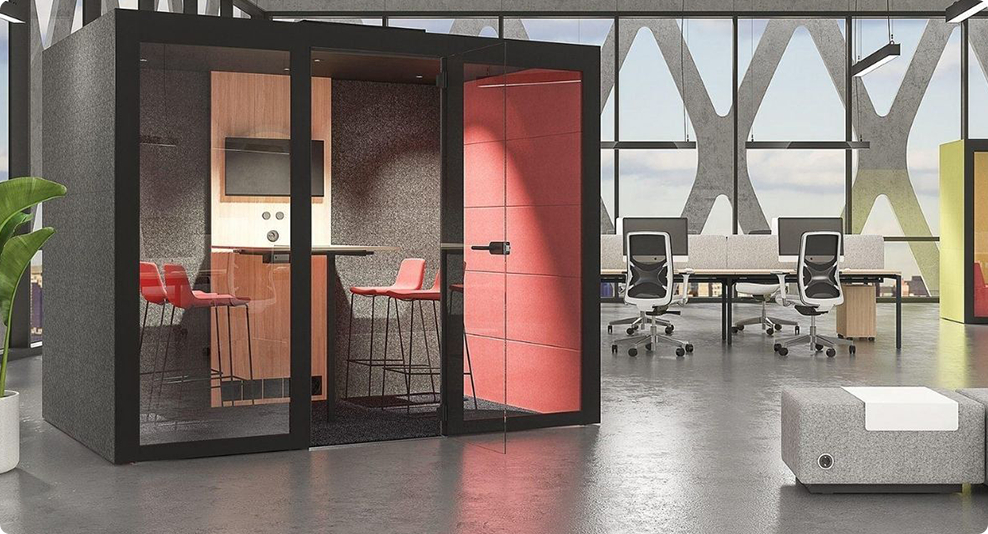
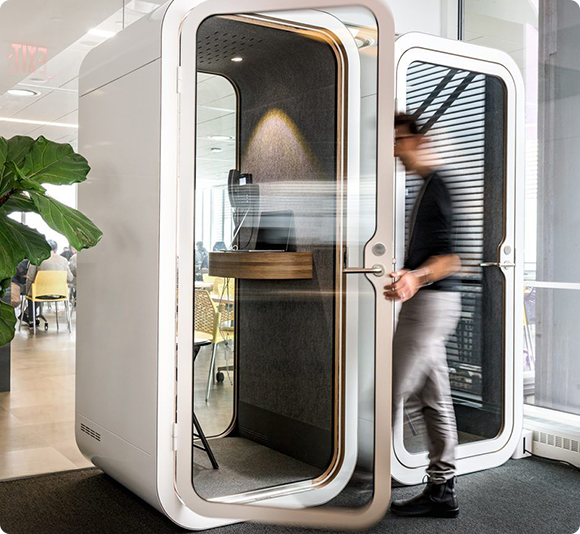
Garden office pods with similar photos may differ in construction, equipment, installation scope, and support. Use the same checklist for every supplier.
Compare Documented Performance, Not Feature Labels
Replace terms such as "insulated," "soundproof," and "all-weather" with measurable details. Request the wall, roof, and floor build-up; insulation values; glazing data; ventilation method; climate-control system; electrical specification; and structural limits. Ask whether acoustic figures describe one panel or the complete installed pod. For windows, U-factor and solar heat gain coefficient offer a clearer comparison than marketing language.
Compare the Complete Installed Scope
The advertised price may not represent the finished workspace. Request an itemized quotation covering the pod, options, freight, unloading, site preparation, foundation, assembly, electrical connection, climate control, permits, and furniture. Mark each item as included, optional, buyer-supplied, or separately priced. Confirm delivery requirements, lead time, payment stages, change-order rules, and responsibility for delays.
Ask how long the quotation remains valid and whether taxes or currency changes may affect the final amount.
Review the Supplier and After-Sales Support
Check how long the model has been offered, where parts come from, and who handles local installation or repairs. Read the written warranty before paying a deposit. Compare coverage for the structure, finish, windows, doors, electrical equipment, and climate systems, including exclusions and maintenance obligations. Request installation drawings, care instructions, and a post-installation contact.
FAQ
Q1. Is a Garden Office Pod Right for Your Space?
A: A garden office pod is practical when you need separate workspace but not a full residential addition. Decide after reviewing the site and total budget.
Q2. A Good Fit When Your Priorities Align?
A: A pod may suit your property when the yard has enough space and access, its use is permitted, and the complete cost fits your budget. It should provide documented weather protection, climate control, ventilation, power, and connectivity for your needs.
Q3. Do Garden Office Pods Need a Permit?
A: Requirements vary by city, size, foundation, utilities, and use. A building-permit exemption does not automatically remove zoning, setback, electrical, mechanical, or HOA requirements. Confirm the project with the local authority before ordering.
Q4. Can a Garden Office Pod Be Used Year-Round?
A: Yes, if its envelope, glazing, ventilation, and heating or cooling system suit the local climate. Ask for specifications rather than relying on a general "year-round" description.
Conclusion
A modern garden office pod can create a focused workspace, creative studio, or quiet retreat without taking over the main building. Its value depends on more than appearance. The right choice must suit the main activity, climate, available space, site conditions, utilities, regulations, and installed budget.
Planning a private workspace or commercial pod project? Share the required capacity, quantity, installation environment, layout, and customization needs with M&W. The team can review available configurations and provide product-selection and quotation support.