
How Office Pods Address Professional Privacy Concerns at Work
Blog
Open plan offices can make it difficult to find a suitable place for private calls, video meetings, interviews, and focused work. Office pods help by moving these activities into enclosed spaces that can reduce speech transfer and provide greater visual and spatial separation.
Privacy still depends on more than a closed door. Acoustic structure, glazing, seals, ventilation, placement, screen orientation, capacity, and workplace policies all influence how well a pod suits a particular task. A practical evaluation should therefore focus on speech privacy, intended use, complete pod evidence, and project conditions rather than a general soundproof claim.
Privacy Concerns Office Pods Can Help Address
Privacy at work involves more than keeping a call quiet. Employees may need to limit conversation exposure, protect screens or documents, and create clearer boundaries around sensitive tasks. Office pods can support these needs by moving work away from open desks into a defined enclosure.
-
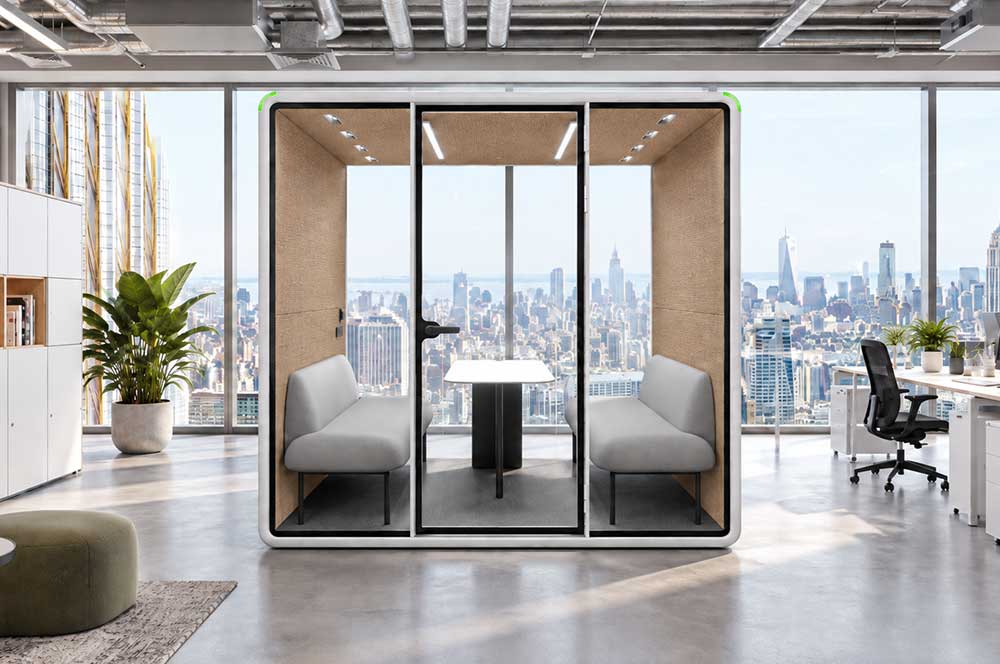
Auditory Privacy
Calls, video meetings, and one on one conversations can be difficult to contain in an open plan office. An enclosed pod separates speakers from nearby colleagues and can make spoken words harder to understand outside. This is speech privacy, not complete silence.
-
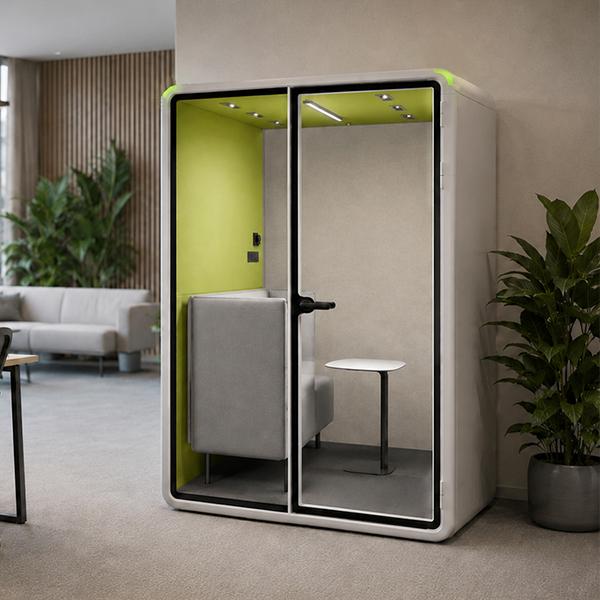
Visual and Spatial Privacy
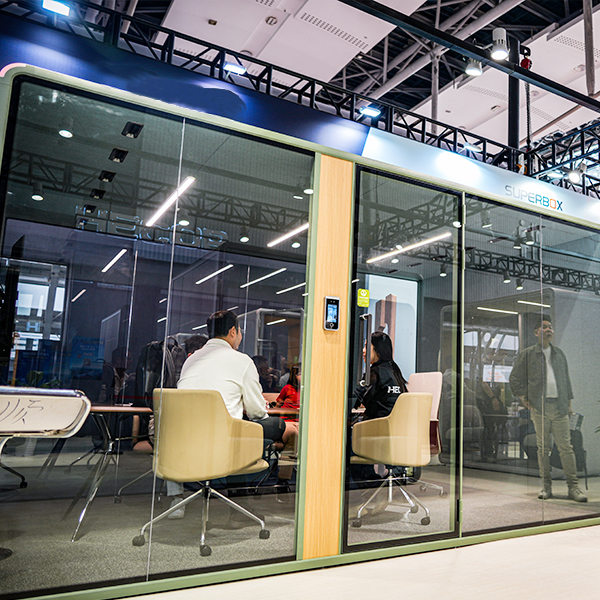
A pod can provide a separate place for reviewing documents or discussing sensitive topics. Visual privacy still depends on glass transparency, screen orientation, lighting, furniture layout, and sightlines from nearby desks.
-
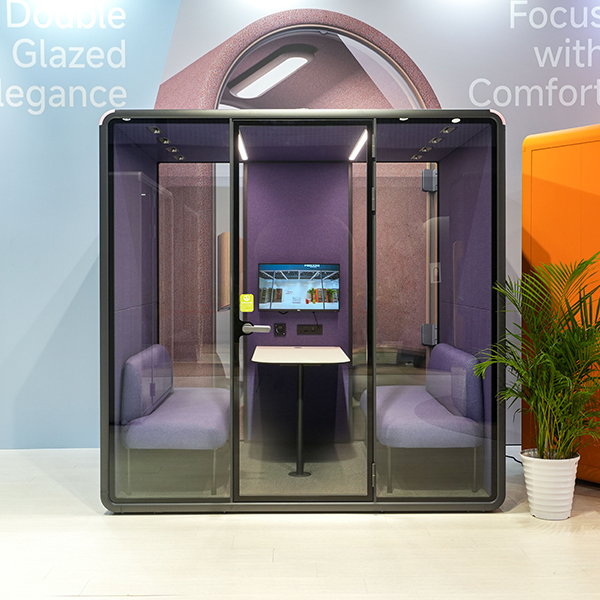
Privacy from Interruptions
An occupied pod creates a visible boundary around a call, meeting, or focus session. Shared pods also benefit from booking rules, occupancy indicators, and guidance for interviews, client calls, HR discussions, or other sensitive conversations.
How Office Pods Support Speech Privacy
Office pods support speech privacy by reducing how much spoken sound reaches nearby work areas. Results depend on how walls, acoustic materials, glazing, doors, connections, and ventilation work together as a complete enclosure.
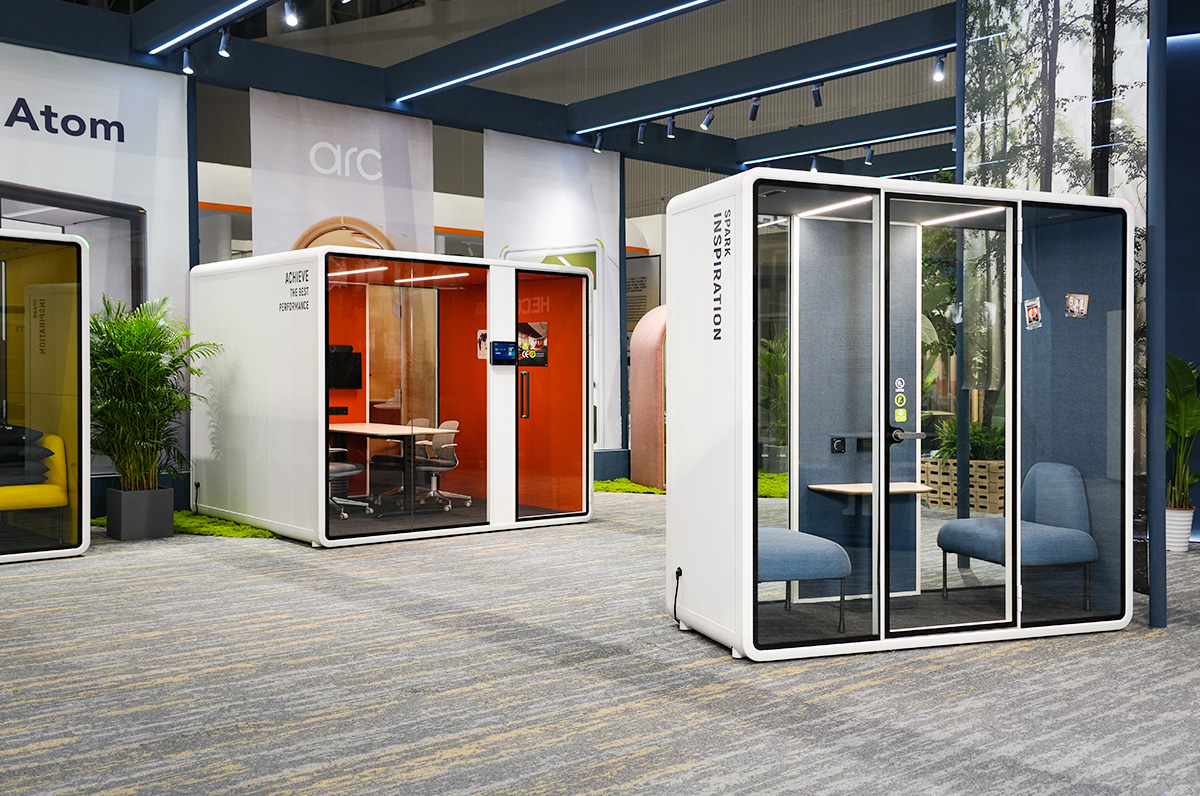
Enclosed Acoustic Boundary
An enclosed pod separates a conversation from surrounding desks. Privacy performance may vary with pod construction, speaking volume, background noise, placement, and distance from listeners.
Layered Acoustic Materials
Many office pods combine several material layers rather than relying on a single acoustic panel. PET acoustic materials and sound absorbing interior surfaces may reduce reflections inside the pod. Additional structural layers can help manage sound passing through the enclosure.
Glazing, Doors and Sealed Connections
Glass panels, door frames, panel joints, and seals form parts of the acoustic boundary. Gaps or poorly connected sections may allow more speech to pass outside. Buyers should check whether acoustic testing covers a fully assembled pod rather than individual materials.
Ventilation and Sound Control
Enclosed pods need airflow for calls, meetings, and focused work. Air intake and exhaust paths should support ventilation while limiting sound transfer through openings. Capacity and operating conditions may vary between models.
Complete Pod Testing
ISO 23351-1 evaluates speech level reduction across a complete furniture enclosure rather than isolated materials. Whole pod evidence is more useful than a component rating when comparing privacy performance.
Professional Privacy Scenarios for Office Pods
Office pods are most useful when a workplace connects a specific privacy need with a suitable space. Call duration, number of users, conversation sensitivity, furniture layout, and floor area can influence pod selection.
Private Calls and Video Meetings
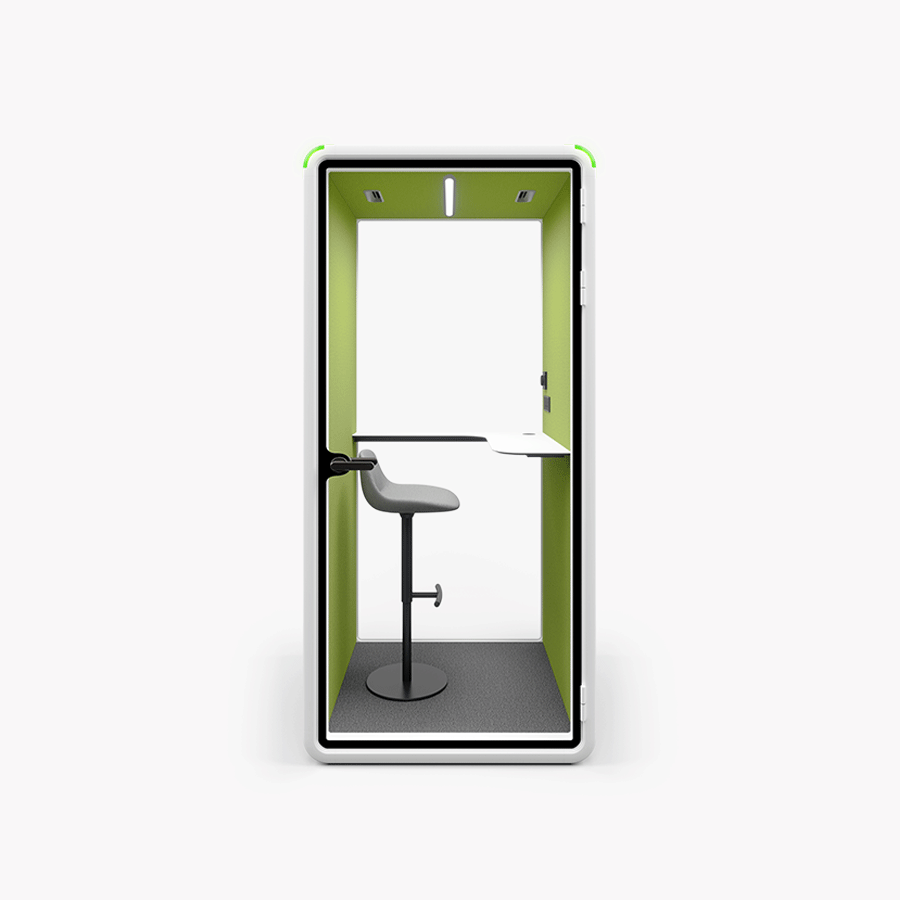
A single person pod provides a separate place for client calls, supplier discussions, remote meetings, and video conferences. Moving these conversations away from open desks can reduce speech exposure and provide a more controlled background for microphones and cameras.
Interviews and One on One Conversations
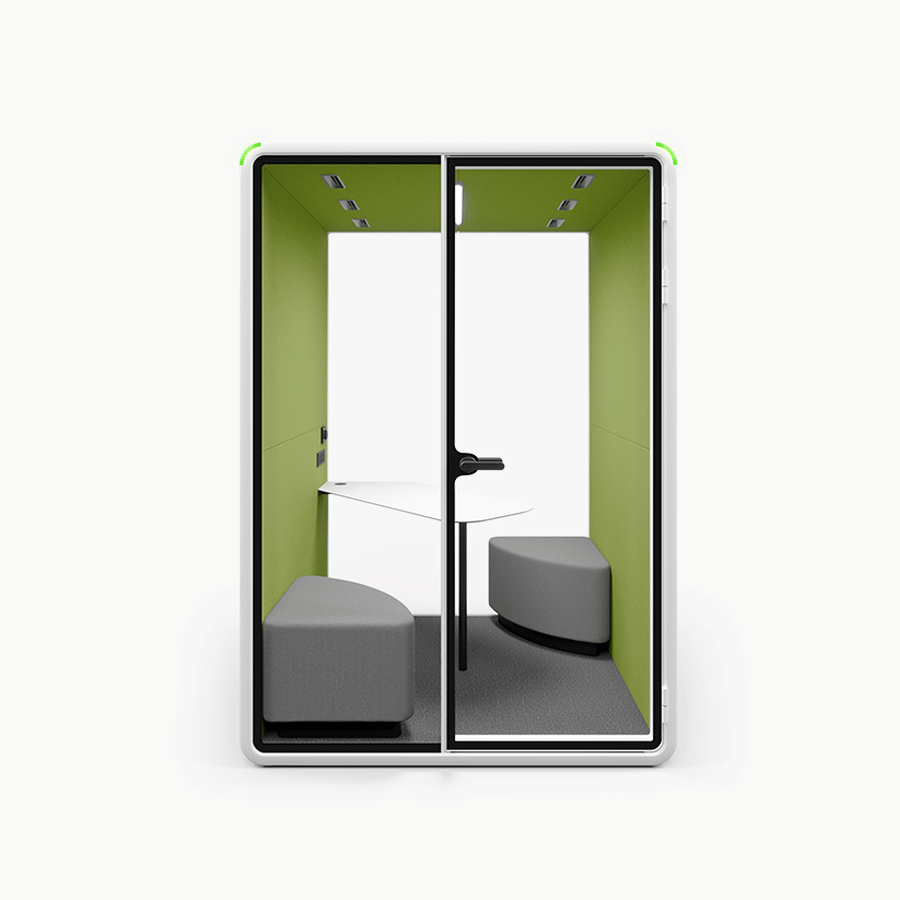
Two person pods can support interviews, consultations, performance discussions, and manager meetings without occupying a larger room. For sensitive topics, organizations should still follow their privacy policies and information handling requirements.
Focused Work with Sensitive Materials
Contracts, financial documents, personnel records, and similar information may not be suitable for an open workstation. A pod can provide spatial separation, while screen orientation, glass visibility, document handling, and device security address related privacy concerns.
Small Team and Client Discussions
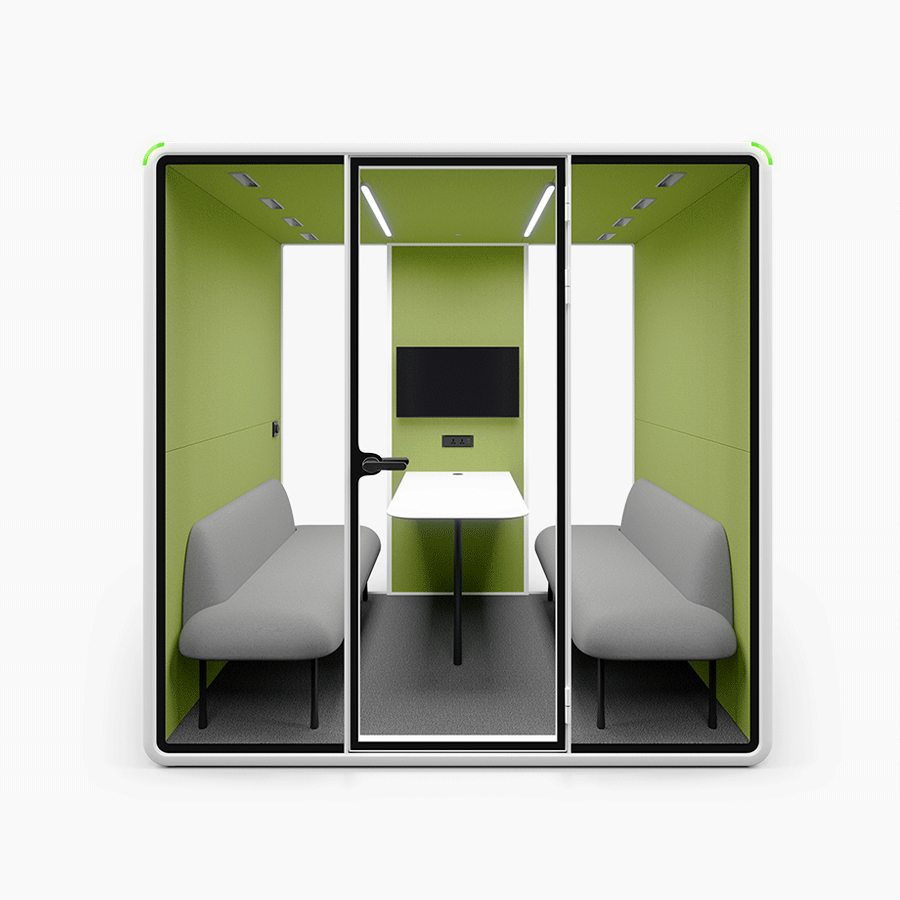
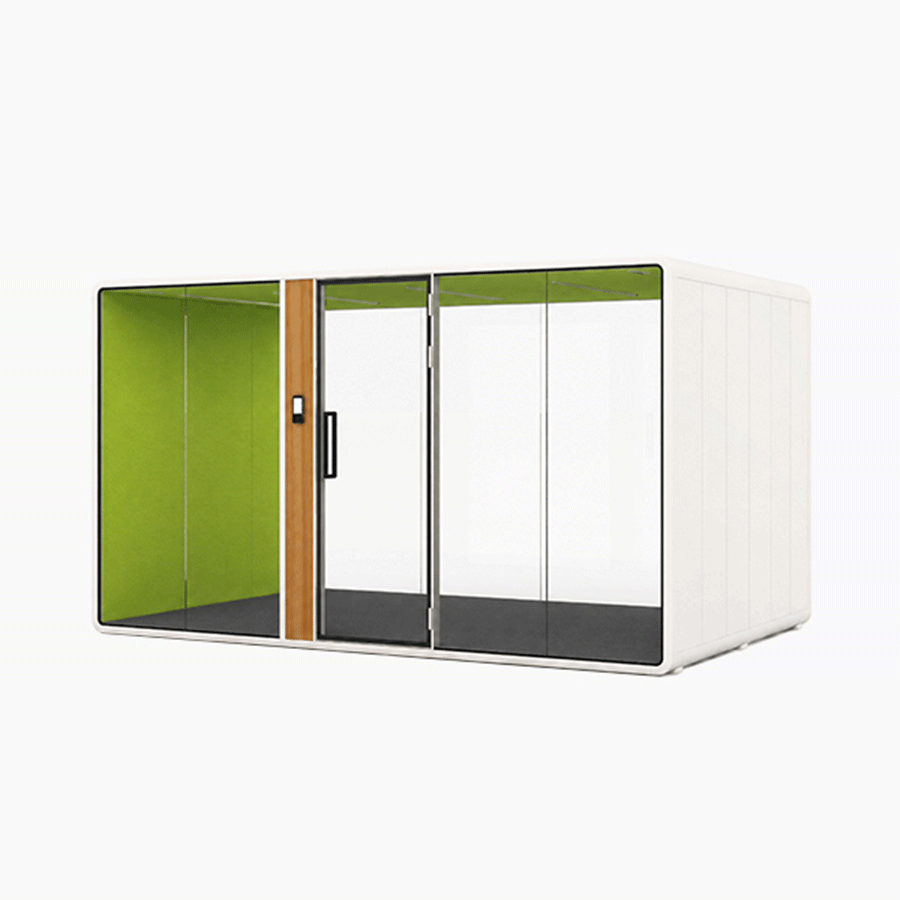
Larger pods can accommodate project reviews, client discussions, and hybrid meetings close to normal work areas. Capacity should reflect expected attendance, meeting length, ventilation needs, furniture configuration, and video equipment.
Choosing pods by activity helps avoid using a small phone booth for extended meetings or selecting a large meeting pod for a task that only requires one seat.
How to Evaluate Office Pods for Privacy
Define privacy requirements before comparing pod models. Start with conversation type, user count, session length, and workplace conditions. Then compare acoustic evidence, interior functions, installation requirements, and configuration options.
Start with Activity and Capacity
Identify what will happen inside each pod. A phone call may require one seat, while interviews or project reviews may need space for two or more people. Capacity should reflect normal attendance. Furniture should also suit each task, such as a work surface for video calls or face to face seating for discussions.
Review Acoustic Evidence
Avoid comparing products through a decibel figure without checking how it was measured. Ask whether testing covered a complete assembled pod or only individual materials. A report should identify the standard, model, configuration, laboratory, door position, and ventilation status.
ISO 23351-1 measures speech level reduction across complete furniture enclosures. A result from another model, door type, or ventilation setup may not describe the configuration being purchased.
Check Ventilation, Lighting and Power
Consider expected session length. Review ventilation capacity, air exchange information, lighting controls, power connections, and charging options. Video meetings may also require screen mounting, camera position, lighting, and cable access. Equipment should only be treated as included when listed in the project specification.
Plan Placement and Installation
Confirm floor area, ceiling clearance, floor level, nearby power, and access routes. Check doorways, elevators, corridors, and loading areas so components can reach the installation location. Placement should also respect circulation, emergency routes, building requirements, and access needs.
After selecting a location, review sightlines from nearby desks and walkways, door movement, screen orientation, and how users will know when a pod is occupied. A technically suitable pod may still provide limited visual privacy if a screen faces a corridor or booking rules are unclear.
Confirm Configuration and Project Scope
Choices may include exterior colors, interior finishes, upholstery, furniture, and destination market power standards. Confirm which options apply to each model and whether they affect production time, installation, or acoustic performance.
Before finalizing a configuration, prepare a floor plan, capacity, activities, quantity, finishes, delivery location, and required project documents.
Building Workplace Privacy with M&W Office Pods
M&W offers office pods for private calls, focused work, video meetings, and group discussions. Its range includes Model S, M, L, SL, XL, and DZ, with capacity and furniture options for different activities.
Match Pod Size to Work
Model S supports individual calls, remote meetings, and focused tasks. Model M provides single user and two person configurations for interviews, consultations, and one on one discussions. Model L accommodates up to four people for client discussions, project reviews, or hybrid meetings.
SL, XL, and DZ models provide additional choices for group use. Capacity, furniture layout, and expected session length should guide model comparison.
Configure Pods for Each Project
Options may include exterior colors, interior finishes, upholstery, furniture configurations, and destination market power standards. Availability depends on model and project requirements. Modular structures are assembled on site, allowing enclosed work or meeting spaces to be added without constructing a conventional room.
Plan a Suitable Pod Configuration
Start with a floor plan, user count, activities, quantity, finishes, furniture needs, and installation location. These details help workplace planners compare models and identify a configuration suited to available space and daily use.
Office Pod Privacy FAQ
Are Office Pods Completely Soundproof?
Office pods are generally designed to reduce speech transfer rather than remove every sound. Performance depends on pod construction, speaking volume, background noise, placement, and distance from listeners.
Can People Outside Hear a Conversation?
People nearby may notice that someone is speaking without clearly understanding individual words. Results depend on acoustic performance, office conditions, door position, and conversation volume.
Which Pod Size Suits Private Calls?
A single person pod is usually suitable for phone calls, video meetings, and focused work. Interviews or one on one discussions may require a two person configuration.
What Should Buyers Check Before Choosing a Pod?
Review capacity, furniture layout, whole pod acoustic evidence, ventilation, lighting, power, installation access, ceiling clearance, placement, and finishes. Test documentation should match the model and configuration being considered.